The International Academy of Oral Medicine & Toxicology developed the Safe Mercury Amalgam Removal Technique, or SMART. It utilizes scientific research to remove old metal fillings from teeth while minimizing exposure to mercury, which is present in amalgam. Dr. Ghandi is passionate about taking care of her patients’ health and well-being, and that includes utilizing safe techniques and materials that lower the risk of health complications. To learn more about SMART amalgam filling removal in Murphy, you can read below or give our office a call.
What are Amalgam Fillings & Why Should They Be Replaced?
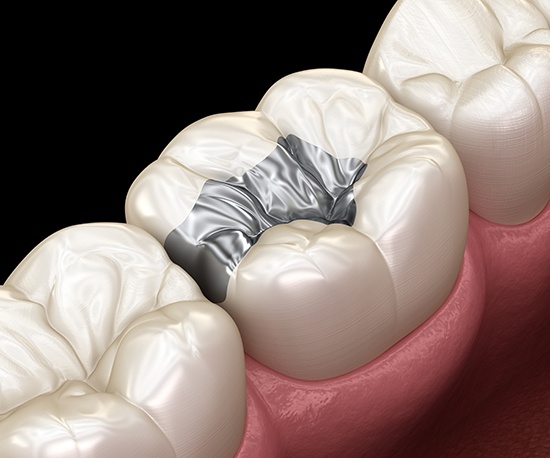
Amalgam is a mixture of different types of metals that can be used to craft dental crowns and fillings. Today, they’re not typically used because a safer, more aesthetic option is available (tooth-colored fillings), but their durability made them a common and popular treatment for cavities in the past.
Amalgam contains metals like liquid mercury, copper, silver, and tin. The mercury acts as a binding agent to the other metals to help them form and seal off teeth. With time, the mercury within these fillings can release vapors that can increase the risk of various health issues, including headaches, digestive issues, kidney disease, and more.
Although the ADA asserts that the levels of mercury in amalgam fillings are small enough to be safe, our team strives to provide the highest quality of care, and that includes utilizing the latest biocompatible materials.
Cornerstones of SMART Amalgam Filling Removal
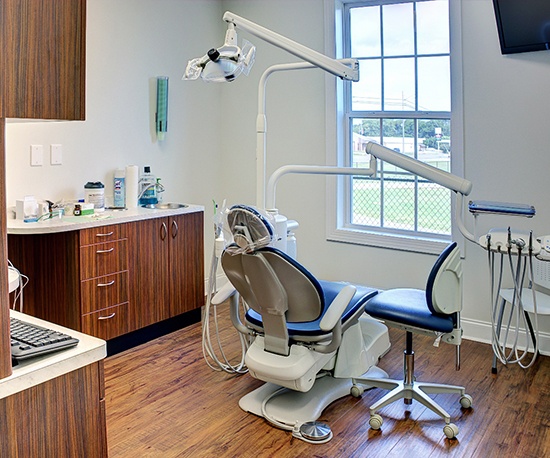
The SMART technique utilizes the safest methods to minimize the amount of mercury vapors you’re exposed to as you’re having your amalgam filling removed with the following practices:
- Pre- and Post-Charcoal Rinse: You’ll rinse and swallow charcoal, chlorella, or another similar absorbent before and after the procedure.
- Adequate High-Volume Air Filtration: The room that you’ll be in will have a high-volume air filtration system capable of removing mercury vapors and amalgam particles during the treatment.
- Protective PPE & Body Barriers: Everyone present will be wearing protective gowns and proper PPE. The tooth will be isolated, and the head, neck, and other parts of the body will have barriers to minimize exposure to mercury particles.
- Aerosol Vacuum: A saliva ejector and oral vacuum will be in place to minimize mercury exposure.
- Water to Reduce Heat: Water will be used throughout the process to help keep the filling cool and make it easier to capture and reduce mercury levels.
- Removal of Filling in Sections: The amalgam filling will be separated into sections and removed in as large of pieces as possible.
The Benefits of Replacing Metal Fillings
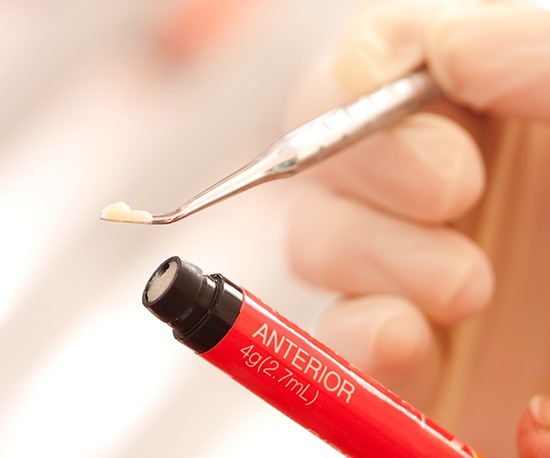
Once your amalgam filling has been safely removed, Dr. Ghandi can replace it with a biocompatible one crafted from tooth-colored composite resin. This material is a mixture of fine particles of ceramic, glass, or sometimes silica and is completely body-safe as well as wear-resistant. Because it can fuse with the tooth’s natural enamel, it also creates a much more reliable seal to offer better protection and minimize side-effects experienced with metal fillings, like increased dental sensitivity.
Safe Amalgam Filling Removal FAQs
Does insurance cover safe mercury amalgam removal?
This all depends on the insurance plan. Most of the time, the dental insurance company will pay for 80% of the replacement filling. However, there can be extra fees for safe removal what aren’t usually covered. This is because it takes a lot of additional work by the dental office, requiring additional time and material. Before your procedure, we will go over the exact cost of your treatment so that you don’t run into any surprises along the way.
How much mercury is released during amalgam removal?
The answer to this question isn’t very straightforward. When your filling is removed, there is a certain amount of mercury vapor that is released, but the amount that remains in your body and the duration depends on a few different factors. In the majority of cases, any elevated mercury levels in the blood and urine will decrease within a couple of months following the removal. According to research, this decrease may be around 60% during the first 60 days after removal and return to normal levels within a year. However, the exact timeline can vary from person to person depending on individual factors and exposure levels. Regular follow-up with your dental professional can help monitor your oral health and address any concerns after the filling has been removed.
What replaces mercury amalgam fillings after removal?
After your amalgam filling is removed, we will replace it with a tooth-colored material as an alternative. This is known as composite resin. It is a ceramic and plastic compound that chemically bonds to the teeth. Composite resin can be carefully matched to the natural shade of your tooth, helping create a seamless appearance. They are designed to deliver natural-looking results while restoring the tooth’s strength and function. No one will even be able to tell that you’ve had a dental filling placed.
Is it worth getting amalgam fillings removed?
If your amalgam fillings are in good shape and not causing any problems, they may not need to be removed. However, if they are cracked or deteriorating, or if you are worried about mercury exposure, you may want to consider having them replaced. Since removing mercury amalgam fillings can expose you to additional mercury rather than keeping them in place, it is best to discuss the pros and cons with your dentist to put to get the best treatment plan for you.